

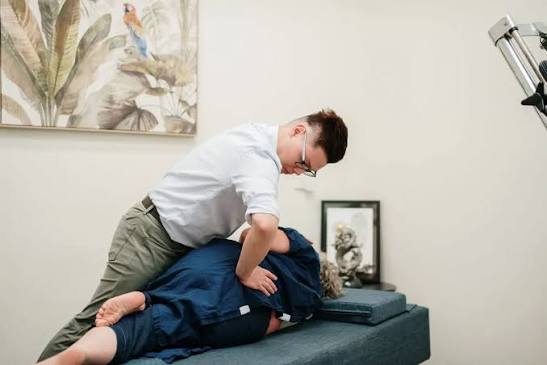
Stiffness in the spine rarely begins where the ache sits. Facet joints lose glide, and neighbors overwork to compensate. A skilled chiropractor north austin residents trust maps that pattern first. This article traces how restriction builds. Adjustment mechanics, session pacing and habit repair follow.
Facet Joints Lose Their Normal Glide
Every vertebra pairs with two small facet joints. Cartilage surfaces slide during bending and rotation. Long hours at a desk starve that motion. Synovial fluid thickens where movement disappears. Muscle then guards the segment, locking it harder. Restriction spreads upward into the rib attachments.

What Changes During A Targeted Adjustment?
A quick thrust gaps the joint surfaces. Pressure drops, gas forms, and the capsule stretches. Receptors in that capsule fire hard.
- Rotation returns to the segment that quit
- Guarding muscle releases its protective grip
- Load spreads across neighboring levels again
- Nerve signaling sharpens around the treated area
Assessment Rules Out Deeper Structural Damage
Motion palpation finds the level that refuses to move. Rotation gets compared side against side. A chiropractor north austin patients visit screens for fracture first. Disc damage and inflammation change the plan entirely. Red flags route the case toward imaging.
Which Habits Undo The New Range?
Adjustments open a window; daily behavior decides its length.
- Long drives lock the lower back
- Phone scrolling stiffens the neck
- Skipped walks slow joint lubrication
- Heavy shoulder bags drag posture forward
- Face-down sleeping twists the neck
Short movement breaks beat one long stretch session. Standing desks help only with frequent position changes.
How Soon Does Movement Feel Different?
Easier rotation often shows within the first session. Durable change follows tissue timelines, not hope. Capsular tissue remodels across several weeks. Early visits cluster, then space further apart. Pain fades before mobility fully returns. That gap explains why early stopping backfires. Progress reads in ordinary tasks, like a shoulder check.
The Shoulder Check Measures Real Progress
A shoulder check before lane changes reveals thoracic rotation. Most drivers never notice losing those degrees. The neck quietly takes over the work. Restoring segmental glide returns motion already surrendered. Stiffness is less a condition than accumulated avoidance. Spines keep the range that gets used.
FAQs
Does every adjustment need an audible pop?
No, that sound reflects gas forming in joint fluid. Mobility can improve with no noise at all.
How many sessions restore lost rotation?
Most plans open with a short cluster of visits. Spacing widens once range holds between appointments.
Can stretching replace a targeted adjustment?
Stretching reaches muscle, though a locked segment stays locked. Paired together, both deliver more than either alone.
Is soreness after an adjustment normal?
Mild soreness for a day resembles the ache from new exercise. Sharp or spreading pain deserves a call.